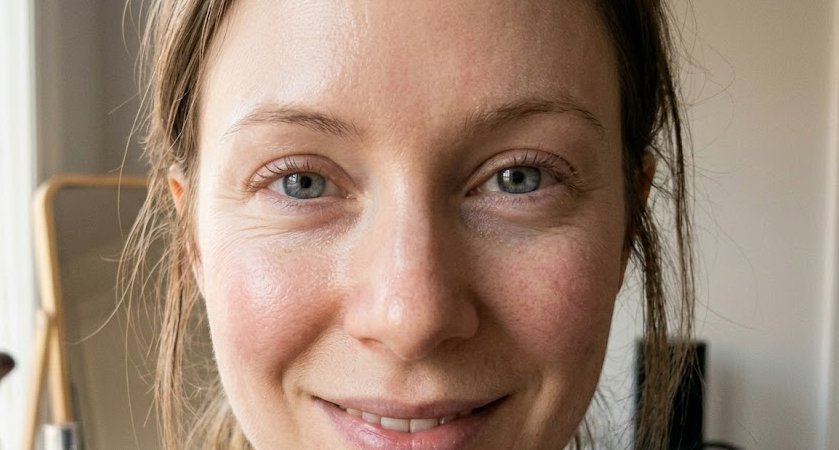
What You Need To Know: Mascara For Sparse Lashes: If you have sparse lashes, you already know the problem. You […]

What You Need To Know: Mascara For Sparse Lashes:
- Sparse lashes need a formula matched to low lash density. Volumizing mascaras built for thick lash lines can clump and weigh down fine ones.
- The double mascara method layers a lengthening formula first and a volumizing formula second, giving each job to the product built for it.
- Angling the wand at the lash base deposits product where density is lowest and closes visible gaps instead of dragging over them.
- Combing between coats with a clean spoolie prevents clump buildup before it sets on fine lashes.
- Best drugstore picks under $15: Maybelline Lash Sensational Sky High (Layer 1), L’Oréal Telescopic Original (Layer 1 for very fine lashes), Maybelline Lash Sensational Original (Layer 2).
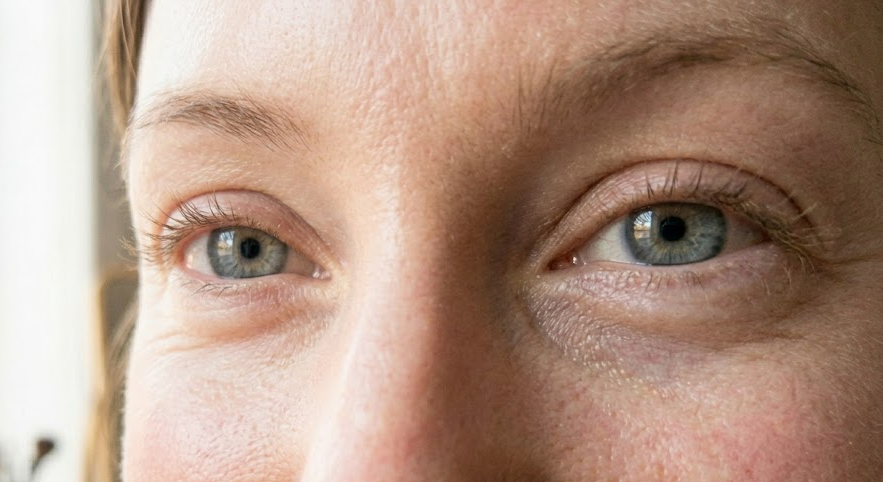
If you have sparse lashes, you already know the problem. You buy a mascara that promises volume, apply it, and end up with clumps instead of lashes. You add another coat, hoping it’ll look better, and by the time you leave the house it’s a webbed mess.
Choosing the right mascara for sparse lashes isn’t about finding a miracle formula. It’s about understanding that most volumizing mascaras are engineered for dense lash lines. Sparse lashes don’t have enough surface area or density to handle that kind of formula. The product has nowhere useful to go, so it pools between isolated lashes and clumps.
The double mascara method solves this. Called mascara cocktailing on TikTok, where it’s racked up over 12 million views, the technique layers two different mascaras in sequence. One handles length and gap coverage. One handles volume and depth. Neither product is trying to do everything at once.
This guide covers the right formulas for mascara for sparse lashes, how to apply the double mascara method step by step, and the best drugstore volumizing mascara picks under $15 that hold up through a full day. If you’ve been trying to figure out how to make sparse lashes look full without falsies or expensive tubes, this is the place to start.
Why Sparse Lashes Need a Different Mascara Strategy
The first step to finding the best mascara for thin sparse lashes is knowing which sparse lash situation you’re actually dealing with. There are three distinct patterns, and they don’t all respond the same way to the same formulas or mascara technique for sparse eyelashes.
Full-band sparseness means low density across the entire lash line. There aren’t many lashes overall, and visible gaps remain even after mascara is applied. Standard volumizing mascaras over-deposit product at the few contact points between isolated lashes. The result is clumping, not coverage.
Outer-corner sparseness means density drops off toward the outer third of the eye. The center lash line looks fine, but the outer corners read as thin or unfinished. A wide-barreled or dense-bristle wand can’t reach those smaller corner lashes without dragging excess product across the gaps in between.
Fine-but-present means an adequate lash count, but each individual lash is very thin and can’t hold heavy product. These lashes go limp under a dense formula. They need a lightweight mascara for sparse lashes that adds visible volume without adding weight.
Knowing which pattern you’re working with determines which formula to reach for first and which mascara technique for sparse eyelashes will actually close the gaps.
If you’re newer to mascara generally, our [beginner’s guide to drugstore mascara] walks through the basics before you start layering.
The Formula Types That Work on Mascara for Sparse Lashes (And the One to Avoid)
Formula type is the most important decision when buying mascara for sparse lashes. Technique can’t compensate for a mismatched formula, and the label on the tube won’t tell you whether it’s right for your specific lash density.
- Fiber mascaras deposit synthetic fibers along the lash shaft, adding physical length between gaps. They work well for full-band sparseness and outer-corner thinning because the fibers bridge visible gaps rather than just coating what’s already there. The risk is over-application. On very fine lashes, too many fiber coats produce a stiff, spiky result. One thin coat is the ceiling.
- Tubing mascaras coat each individual lash in a polymer shell rather than building bulk across the whole lash line. They’re the right match for fine sparse lashes that clump easily, because the tube formula grips each lash individually without merging across contact points. They also resist smudging and weigh down fine lashes less than wax-heavy formulas. Removal is easy with warm water, no rubbing required.
- Traditional volumizing mascaras build bulk on existing lashes. They work well for fine-but-present sparse lashes with adequate count but not enough individual lash thickness. They’re the wrong choice for severe full-band sparseness because there isn’t enough lash surface area to build on. As a second layer over a lengthening base in the double mascara method, though, they perform very well.
The formula to avoid on sparse lashes is any mascara marketed as “dramatic,” “XXL,” or “false lash effect” using a dense, wax-heavy formula. These are designed for dense lash lines. On sparse lashes, they over-deposit at contact points and create clumping that’s difficult to comb out once set.
These are the specific drugstore formulas that hold up through the full double mascara method without clumping on fine lashes.
[AAWP block]
The Double Mascara Method: The Best Mascara Technique for Sparse Eyelashes
The double mascara method is the most effective mascara technique for sparse eyelashes because it stops asking one product to do two jobs. A lengthening formula separates and defines but can feel wispy on sparse lashes on its own. A volumizing formula adds depth and fullness but clumps when it’s the only product on fine, isolated lashes. Layering the two gives each formula the conditions it was built for.
As multiple hands-on tests of the technique confirmed through late 2025: “Most mascaras are engineered to do one thing really well. Some separate and lengthen but feel wispy. Others give intense volume but can clump.” That’s exactly why the double mascara method works for mascara for sparse lashes. Sparse lashes need both jobs done, and they need them done in the right order.
Here’s the full application sequence for how to make sparse lashes look full using the double mascara method.
Step 1: Curl your lashes before any product.
Clamp a lash curler at the base of your upper lashes and hold for 10 seconds. Sparse lashes lose curl faster than dense ones once mascara weight is applied, so setting the curl before any product is essential. Do this before every mascara for sparse lashes application, not just occasionally.
Step 2: Apply your lengthening or tubing mascara as Layer 1.
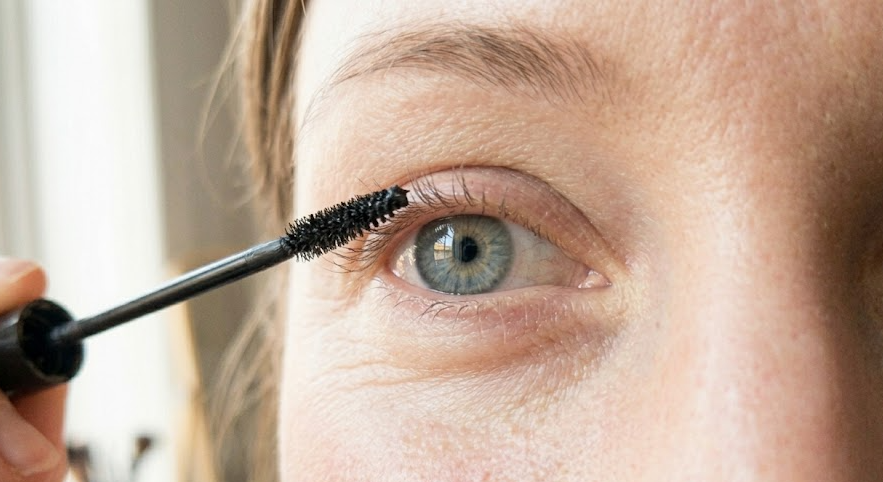
Hold the wand at a 45-degree angle toward the lash base rather than parallel to the lid. Press the wand inward at the root, then pull through in a slow upward motion. This deposits product where density is lowest, at the root zone, instead of dragging across the mid-shaft of lashes that are already coated. Work from the inner corner outward, giving extra attention to the outer-corner lashes. One thin coat is enough for Layer 1. This is the foundation of the double mascara method.
Step 3: Let Layer 1 set for 15 to 20 seconds.
Don’t skip this step. Applying a second coat over a wet first coat on sparse lashes causes the layers to merge instead of build. You’ll get a clump, not volume. Use those 20 seconds to check the outer corners and press any missed lashes with the wand tip before moving to Layer 2 of the double mascara method.
Step 4: Comb through with a clean spoolie.
Pull a clean spoolie through your lashes from root to tip before applying Layer 2. On sparse lashes, product accumulates faster at contact points between isolated lashes than on dense lash lines. The spoolie redistributes that product and removes any clump points before they set. This step is what separates defined mascara for sparse lashes from a webbed mess. It’s not optional.
Step 5: Apply your volumizing mascara as Layer 2.
Wiggle the brush at the root, then sweep upward in a light motion. The lengthening base you applied in Step 2 gives this layer something to grip. One coat of volumizing mascara over a lengthening base on sparse lashes is enough. Going heavier tips fine lashes into clumping. This is the core logic of how to make sparse lashes look full without adding more product than the lashes can hold
Step 6: Final comb-through.
Pull the clean spoolie through one more time from root to tip. This separates any lashes that caught product between them during Layer 2 and locks in the separation before the formula fully sets. The finished mascara for sparse lashes result should show defined, individual lashes with visible volume, not clumped sections.
The double mascara method also pairs well with a thin line of eyeliner along the upper lash line after application. Filling the skin gaps between sparse lashes with a fine-tip liner makes the lash line read as denser without adding any more product to the lashes themselves.
Best Mascara for Sparse Lashes: Drugstore Picks Under $15
Finding the best mascara for thin sparse lashes at the drugstore is a matter of matching formula type to your specific lash density, not buying whatever has the highest review count. A mascara reviewed by thousands of people with average-density lashes may still clump and disappear on sparse ones. These picks are documented across multiple editorial tests and MUA commentary specifically for low-density lash lines.
Best lengthening Layer 1: Maybelline Lash Sensational Sky High (approx. $10)
This is one of the most widely documented best mascaras for thin sparse lashes at the drugstore. The flexible wand bends to reach outer-corner lashes that a stiff brush misses. The lightweight formula doesn’t weigh down fine lashes. It’s specifically built for building length and separation without depositing excess product, which makes it the right Layer 1 for the double mascara method on sparse lash lines. It’s not a volume mascara on its own. That’s the point.
Best precision Layer 1 for very fine lashes: L’Oréal Telescopic Original (approx. $10)
The slim comb wand is the reason this works as a mascara for sparse lashes. It deposits product on individual lashes rather than sweeping across the lash line in bulk. It catches the tiny inner and outer corner lashes that wide-barreled wands miss entirely. On its own it can read as wispy, which is exactly why it’s the ideal base layer. Its job in the double mascara method is to coat every sparse lash individually before the volumizing layer builds on top.
Best volumizing Layer 2: Maybelline Lash Sensational Original (approx. $8)
The fan-shaped brush distributes volume along the lash line rather than concentrating it at a single point, which matters on sparse lashes where concentration means clumping. Applied over a lengthening base in the double mascara method, one coat of this drugstore volumizing mascara adds fullness and depth without collapsing the lift from Layer 1. One coat only.
Best single-tube option for fine-but-present sparse lashes: Essence Lash Princess False Lash Effect (approx. $5)
The conically shaped brush reaches the small corner lashes that wider wands miss. It delivers visible volume without clumping on fine lashes, and it’s the most documented drugstore overperformer for sparse lash types across editorial and MUA roundups. For severe full-band sparseness, use it as Layer 2 in the double mascara method rather than as a standalone. For fine-but-present lashes, it works on its own.
Note on skin tone and shade range: mascara pigment payoff and wand-to-lash contact behavior don’t vary significantly by skin tone. The formula-to-lash-density match is the relevant variable for mascara for sparse lashes across all skin tones. If you’re working with dark lashes on deeper skin and concerned about pigment visibility, a jet-black or blackest-black shade designation will perform consistently.
These are the full-day wear picks matched by formula type for mascara for sparse lashes.
[AAWP block]
The Wand Shape Guide for Mascara for Sparse Lashes
The wand is the variable most people skip when buying mascara for sparse lashes. Formula matters. But the brush shape determines where product lands and how much lands there. Look at the brush before you buy.
Slim or precision comb wand is the right tool for outer-corner sparseness and very fine lashes. It coats individual lashes without over-depositing at contact points. This is the wand for Layer 1 of the double mascara method on fine sparse lash lines.
Tapered or hourglass wand works for full-band sparseness and gaps across the full lash line. The narrower tip reaches inner and outer corners while the wider middle section handles the center band. It distributes product more evenly across a low-density lash line than a uniform cylinder wand.
Curved or fan wand is suited to fine-but-present lashes that need volume distributed rather than concentrated. The curve hugs the lash line and lifts lashes upward as it coats. It’s a better Layer 2 choice for sparse lashes than a straight volumizing barrel.
Dense cylinder wand is the wand to avoid on sparse lashes. It’s engineered for dense lash lines and deposits too much product in a single pass on low-density lash lines. This is the wand on most “dramatic” and “XXL” mascaras.
Common Mistakes When Using Mascara for Sparse Lashes
Getting the mascara technique for sparse eyelashes right means cutting out the habits that work fine on dense lash lines but consistently fail on sparse ones.
Using a dramatic-formula mascara as a standalone product. Heavy, wax-dense formulas marketed for maximum volume are built for dense lash lines. On sparse lashes, the formula overloads the limited lash surface area and pools between isolated lashes. The fix is matching formula type to lash density before choosing a mascara for sparse lashes, not buying based on volume claims.
Applying multiple coats without letting layers set. Wet-on-wet layers on sparse lashes merge into a single mass rather than building volume. The fix for the mascara technique for sparse eyelashes is a 15 to 20 second set time between every coat, with a spoolie comb before the next layer.
Applying mascara from the mid-shaft instead of the root. Mid-shaft application concentrates product on lashes already coated and skips the gaps at the root zone entirely. The fix is the 45-degree angled wand placement described in the double mascara method steps above: press inward at the root, then pull through.
Skipping the spoolie comb between coats. On sparse lashes, clumps set faster than on dense lash lines because there are fewer lashes to distribute the product load. Running a wand through again adds more product and worsens the clump. The fix is a clean spoolie between every coat before the product sets.
Pumping the mascara wand. Pumping pushes air into the tube, dries the formula faster, and overloads the wand with product that hits sparse lashes all at once. Swirl the wand inside the tube instead of pumping it.
Does Mascara Primer Help With Sparse Lashes?
A lash primer coats the lash in a base layer before mascara, giving the formula more surface area to grip. For mascara for sparse lashes, primers can help when individual lashes are so fine that mascara slides off or disappears by midday. The extra grip from a primer layer keeps the mascara for sparse lashes in place longer and can add perceived thickness before any color product is applied.
When a primer is redundant: if you’re already using the double mascara method, Layer 1 is performing the same function. Adding a third product layer on top of that may tip fine sparse lashes into clumping rather than adding useful volume.
A clear brow gel or clear mascara works as a budget primer alternative for very fine sparse lashes. Apply a thin coat, let it set, then start the double mascara method from Step 2. It’s a lower-cost way to test whether a base layer improves your mascara for sparse lashes results before committing to a dedicated primer product.
Honest disclosure: a primer is a nice-to-have for sparse lashes, not a requirement. The formula match and the mascara technique for sparse eyelashes are the variables that make the biggest difference. Start there before adding more products.
Conclusion
The best mascara for sparse lashes isn’t the one with the most dramatic claims on the tube. It’s the one matched to what your lashes can actually hold. Sparse lashes need a formula built for low lash density, applied in a sequence that gives each product the conditions to do its job well.
The double mascara method works for mascara for sparse lashes because it separates the jobs: length and gap coverage first, volume and depth second. The angled wand placement, the 15-second set time between layers, and the spoolie comb aren’t extra steps. They’re the difference between mascara that holds through the day and mascara that clumps by 10am.
If you take one thing from this guide on how to make sparse lashes look full: identify which sparse lash pattern you’re working with, choose your Layer 1 formula accordingly, and build from there. The products at the drugstore that work for mascara for sparse lashes are genuinely good. The technique is what makes them work.
FAQ
What is the best mascara for sparse lashes?
The best mascara for sparse lashes depends on which type of sparseness you’re dealing with. For full-band sparseness, a fiber or tubing mascara like Essence Lash Princess or L’Oréal Telescopic works well as a base. For fine-but-present lashes, a lightweight volumizing mascara like Maybelline Lash Sensational Original applied as a second layer over a lengthening base gives the fullest result. Using the double mascara method gives better results than any single product on sparse lashes.
How do I make sparse lashes look full without falsies?
The double mascara method is the most effective way to make sparse lashes look full without falsies. Apply a lengthening mascara first, let it set for 15 to 20 seconds, comb through with a spoolie, then apply one coat of volumizing mascara over the top. The angled wand placement technique, pressing the wand inward at the lash root before pulling through, closes visible gaps that standard application misses entirely.
What is mascara cocktailing and does it work for thin sparse lashes?
Mascara cocktailing is the same technique as the double mascara method. It involves layering two different mascaras, typically a lengthening formula first and a volumizing formula second, to achieve results that neither product delivers on its own. It works particularly well as a mascara technique for sparse eyelashes because sparse lashes need length and volume addressed separately. Most single mascaras can’t do both well on a low-density lash line.
Should I use a lash primer if I have sparse lashes?
A lash primer can help if your sparse lashes are so fine that mascara slides off or disappears by midday. It adds grip for the mascara formula that follows. If you’re already using the double mascara method, the first mascara layer performs a similar function, and adding a primer on top of a two-layer application may cause clumping on fine lashes. Start with the double mascara method and add a primer only if hold is still a problem.
Why does mascara clump on my sparse lashes?
Mascara clumps on sparse lashes for two main reasons. First, most volumizing mascaras are engineered for dense lash lines and over-deposit product when there aren’t enough lashes to distribute it. Second, applying coats back-to-back without setting time causes wet layers to merge rather than build. The fix is choosing a formula matched to your lash density and using the mascara technique for sparse eyelashes outlined in this guide, specifically the set time and spoolie comb steps.
What mascara wand shape is best for sparse lashes?
A slim comb or precision wand is the best choice for very fine or outer-corner sparse lashes because it coats individual lashes without over-depositing at contact points. A tapered or hourglass wand works well for full-band sparseness because it reaches inner and outer corners as well as the center band. Avoid dense cylinder wands on sparse lashes. They’re designed for dense lash lines and deposit too much product in a single pass on low-density lash lines.
Can I use waterproof mascara on sparse lashes?
Waterproof mascara for sparse lashes works well if hold and smudging are a concern, but the removal process requires more effort and can be harder on fine, sparse lashes if you’re rubbing to remove it. Use an oil-based eye makeup remover and press it gently onto the lashes rather than wiping. If fine lash health is a concern, a tubing mascara is worth considering as an alternative. Tubing formulas resist smudging nearly as well as waterproof formulas and slide off with warm water without any rubbing.
Poll
If you have sparse lashes, which do you actually rely on?
- The right mascara formula handles it. Technique doesn’t matter that much.
- Technique is everything. The right application method beats any product.
- I’ve given up on mascara and use something else entirely.
Why did you vote that way? Drop your take below.